.png?width=836&height=418&name=LJH_Federal%20Budget%202026_EDM_Header%20image%20(2).png)
The Federal Budget released on Tuesday night has introduced some of the biggest proposed changes to property investment in a generation - particularly around negative gearing and capital gains tax.
While headlines can create uncertainty, it’s important to look beyond the noise and understand what these changes could actually mean for you as a property owner.
A Market Already in Transition
According to LJ Hooker’s latest Federal Budget analysis, the property market is already shifting into a new phase.
- Listings are increasing
- Buyers are becoming more selective
- Price growth is beginning to moderate
At the same time, the core issue hasn’t changed: Australia still doesn’t have enough homes.
The Big Change: Negative Gearing
One of the most talked-about announcements is the proposed change to negative gearing, set to begin from 1 July 2027.
Under the proposed reforms:
- Negative gearing will be restricted on established properties
- Losses will no longer be offset against salary in the same way
- Instead, they will be carried forward or offset against future investment income or gains
However, there’s an important detail:
New builds will remain exempt from these restrictions
This signals a clear intention — to encourage more investment into new housing supply, rather than existing homes.
Capital Gains Tax Is Also Changing
The Budget also proposes changes to capital gains tax (CGT):
- The current 50% CGT discount for assets held over 12 months will be replaced
- A new system will adjust for inflation instead
- A minimum 30% tax on real capital gains will apply
Again, newly built properties may retain concessional treatment — reinforcing the focus on boosting housing supply.
Why Supply Is Still the Real Issue
Despite the focus on tax reform, LJ Hooker’s analysis is very clear:
“Australia’s biggest problem is still supply.”
There are still major constraints:
- High construction costs
- Labour shortages
- Planning and approval delays
- Limited new housing pipeline
And while the Budget includes measures to address this — such as infrastructure funding, faster approvals, and construction incentives — these solutions take time to flow through.
What This Could Mean for Investors
The key question now is how investors respond.
Here’s what we may see:
1. More Selective Investment
Investors may become more cautious, particularly with established properties, as tax settings change.
2. Shift Toward New Builds
Because new properties remain incentivised, we could see:
- Increased interest in new developments
- Greater focus on house-and-land or off-the-plan opportunities
3. Continued Rental Pressure
This is one of the biggest watchpoints.
If investor activity slows before new housing supply increases, rental conditions could remain tight — especially in areas with already low vacancy
What This Means Locally
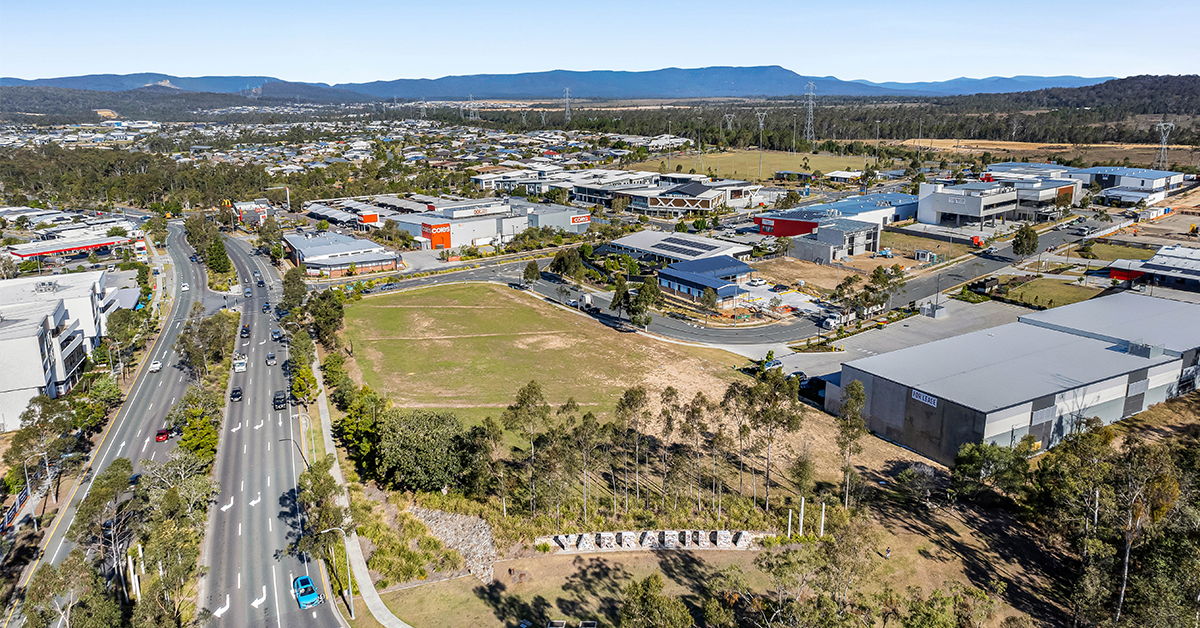
Here in Yarrabilba and the surrounding corridor, we’re still seeing:
- Strong tenant demand
- Limited rental availability
- Consistent enquiry from both renters and investors
These local conditions reflect the broader national trend — supply remains tight, even as the market becomes more balanced.
The Bottom Line
While the Federal Budget introduces significant changes, the fundamentals of the property market haven’t shifted:
- Australia still has a housing shortage
- Rental demand remains strong
- Supply will take time to catch up
Tax changes may influence behaviour, but supply is still the biggest driver of long-term performance and affordability.
Want the Full Breakdown of the Federal Budget Changes?
The Federal Budget has introduced a number of detailed changes that go beyond the headlines — particularly when it comes to negative gearing, capital gains tax, and future supply measures.
If you’d like a clearer, more detailed understanding of what’s been announced, LJ Hooker has put together a comprehensive report covering:
- All key policy changes
- Investor impacts
- Market outlook
- Supply and rental implications
Download the full LJ Hooker Federal Budget Report here
What Should You Do Next?
While reports are helpful, every property — and every investor — is different.
If you’d like to understand:
- How these changes may impact your specific property
- Your current rental value and demand
- Or whether your strategy still aligns with the market
Feel free to reach out for a personalised update — we’re here to help you navigate these changes with confidence.